The Trnava Region offers a rich wine culture shaped by centuries of tradition and a new generation of creative winemakers. From the vineyards beneath the Little Carpathian Mountains to the historic town of Skalica and the green hills around the Váh River, our region is full of beautiful landscapes and excellent wines waiting to be tasted. Discover one of Slovakia’s most exciting wine destinations.

Little Carpathian Wine Region
The Little Carpathian Wine Region is one of Slovakia’s oldest and best-known wine-producing areas, stretching mainly across the Bratislava and Trnava Regions. It is divided into 12 wine districts, each with its own landscape, character and winemaking traditions.
Six of these districts are located in the Trnava Region: Trnava, Hlohovec, Skalica, Orešany, Vrbové and Záhorie. Together, they offer a remarkable diversity of landscapes, grape varieties, wine styles and local traditions. From forested hills and historic wine cellars to traditional vineyard houses and open countryside, each district has its own unique story to tell.
Discover the six wine districts of the Trnava Region and explore their distinctive wines, centuries-old heritage and experiences worth travelling for.
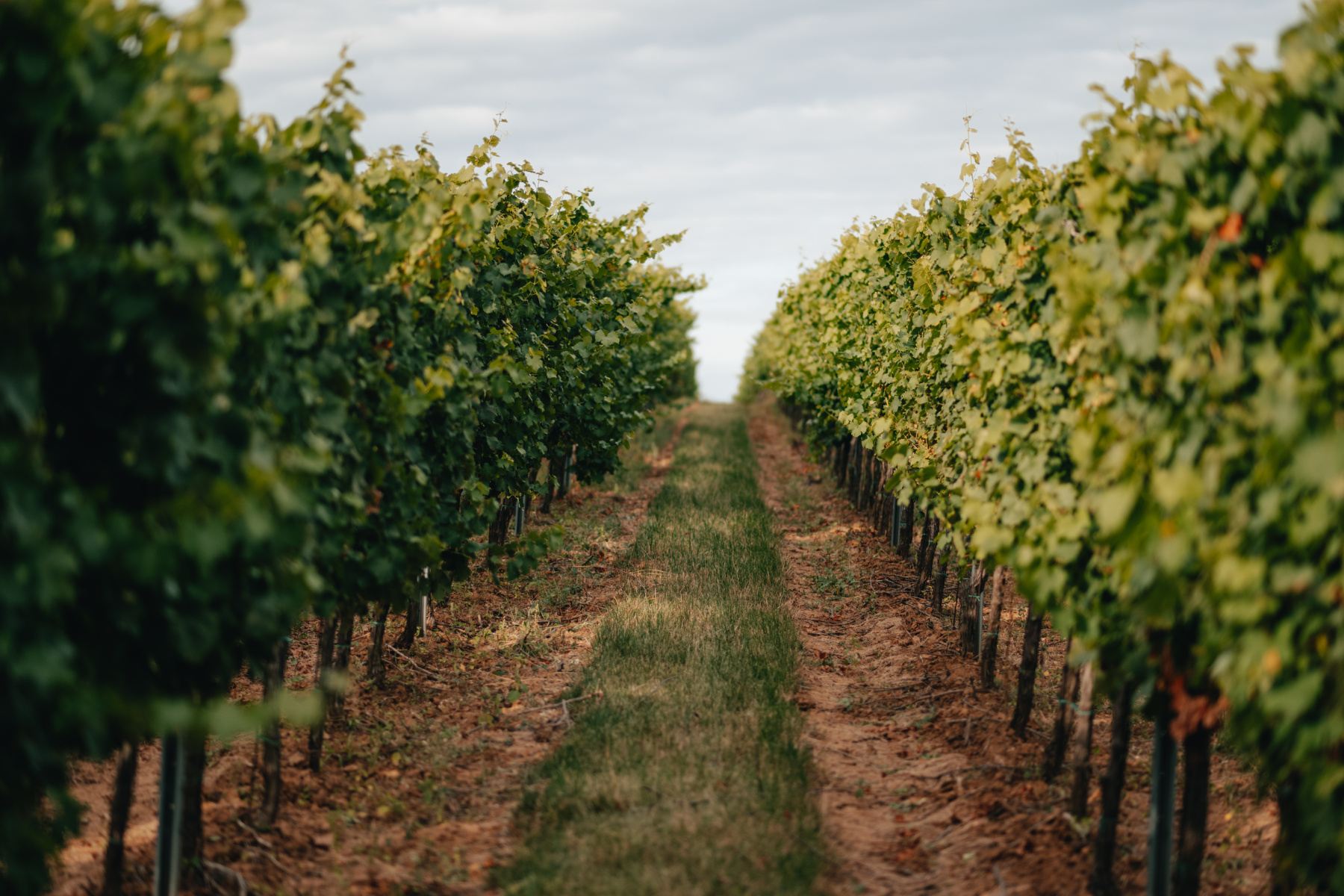
Each place looks and feels different. You will find forested hills, traditional wine cellars, historic vineyard landscapes and open countryside, all shaping distinctive local wine traditions.
Old Traditions, New Ideas
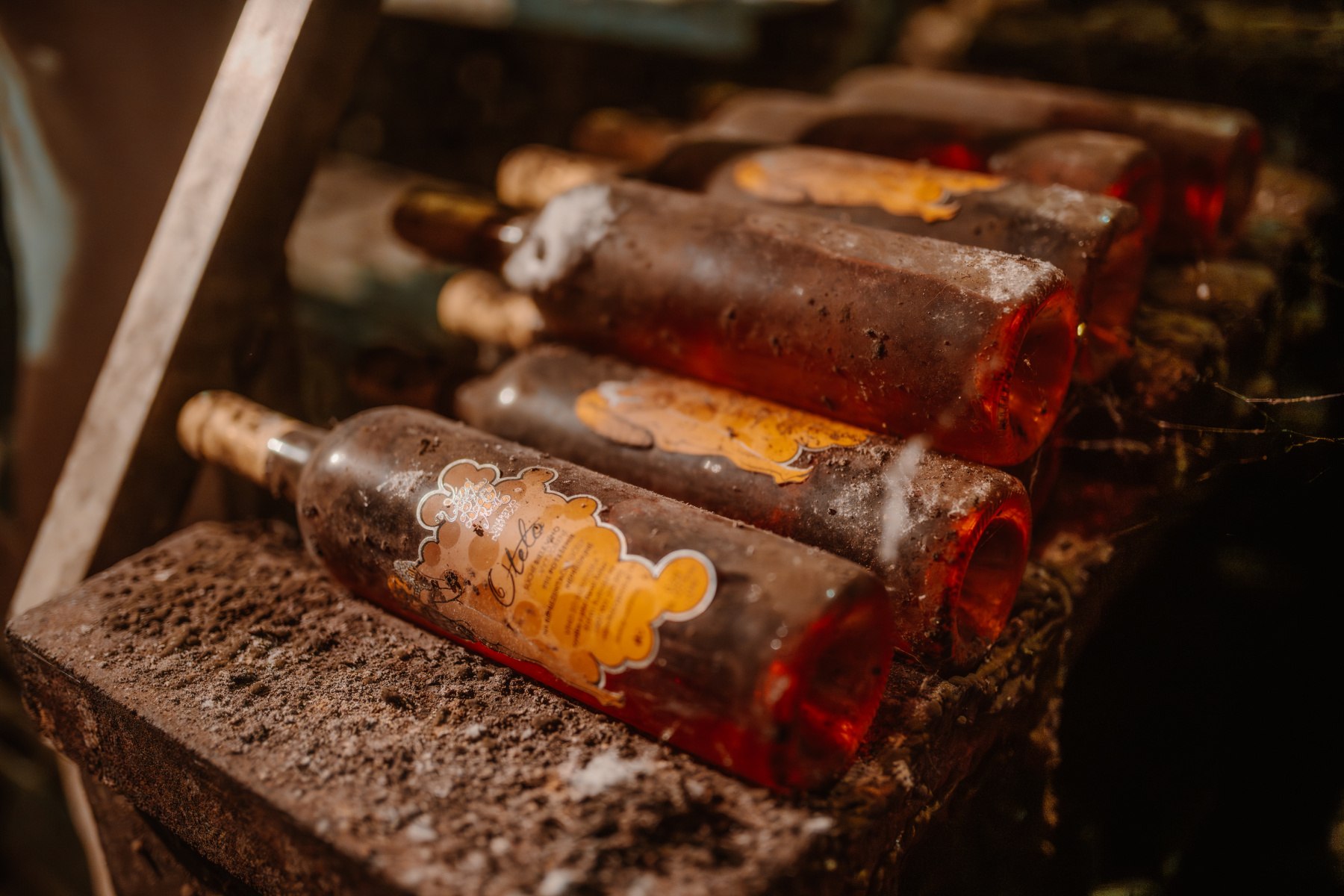
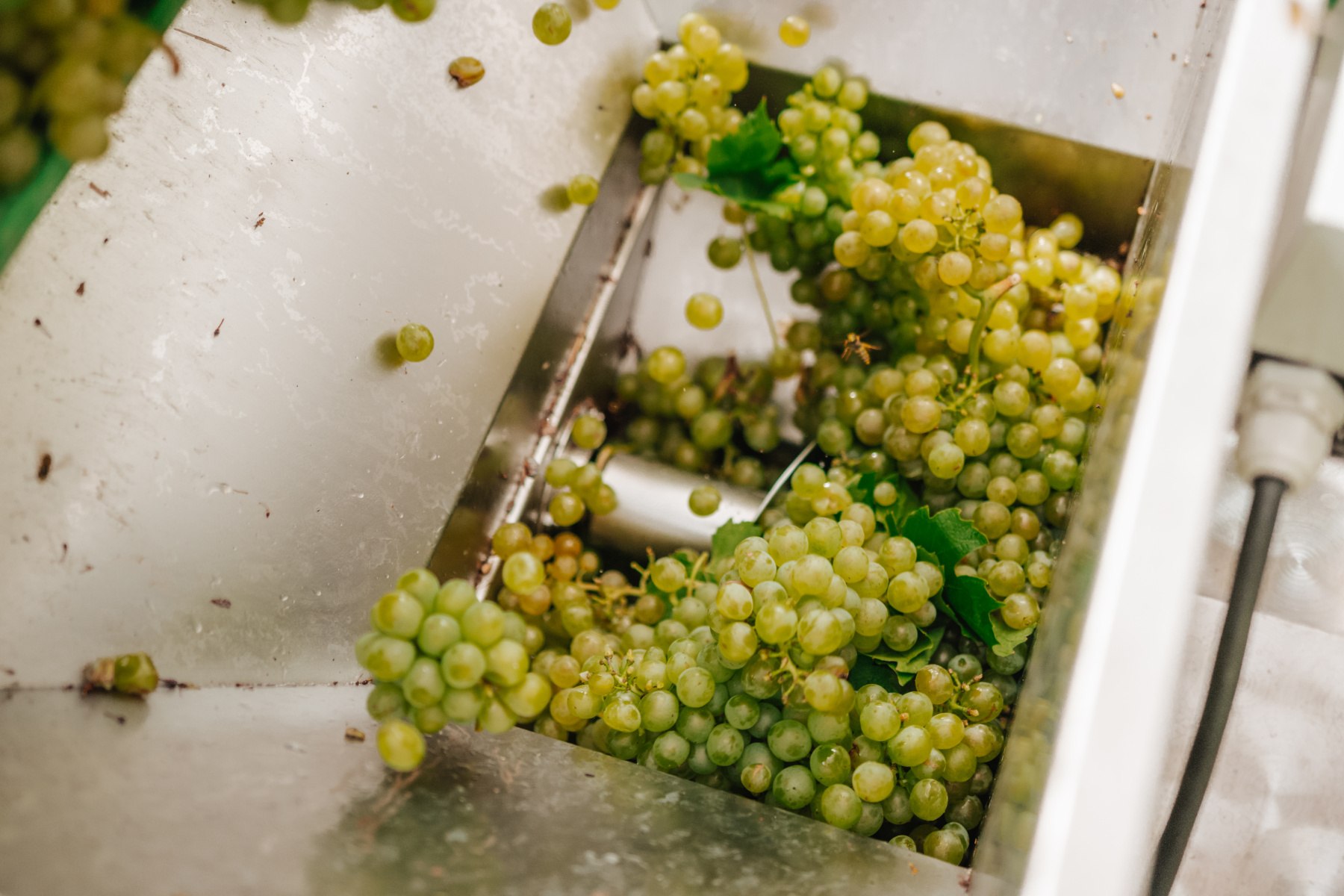
Winemaking has shaped the landscape, culture and everyday life of the Little Carpathian region for centuries. The roots of local viticulture reach back to the early Middle Ages, when vineyards gradually became an important source of prosperity for towns and villages. Over generations, wine production developed into a way of life, influencing local architecture, traditions, gastronomy and community celebrations. Historic wine cellars, traditional vineyard houses and centuries-old grape-growing practices still tell the story of this rich heritage.
Although the 20th century brought significant changes to Slovak winemaking, the return of family-owned vineyards and wineries after the fall of communism marked the beginning of a new chapter. Today, a new generation of passionate winemakers is building on the knowledge of their ancestors while introducing fresh ideas and modern techniques. Many focus on expressing the unique character of local vineyards, combining traditional grape varieties with distinctive Slovak crossings.
Organic and biodynamic viticulture, natural wines and low-intervention winemaking are also becoming part of the region’s evolving identity. At the same time, modern technology allows winemakers to explore new styles while preserving the authenticity of their wines. This exciting combination of heritage, innovation and personal passion makes the Trnava Region a fascinating destination for wine lovers who want to discover both the history and the future of Slovak wine.
What to Taste
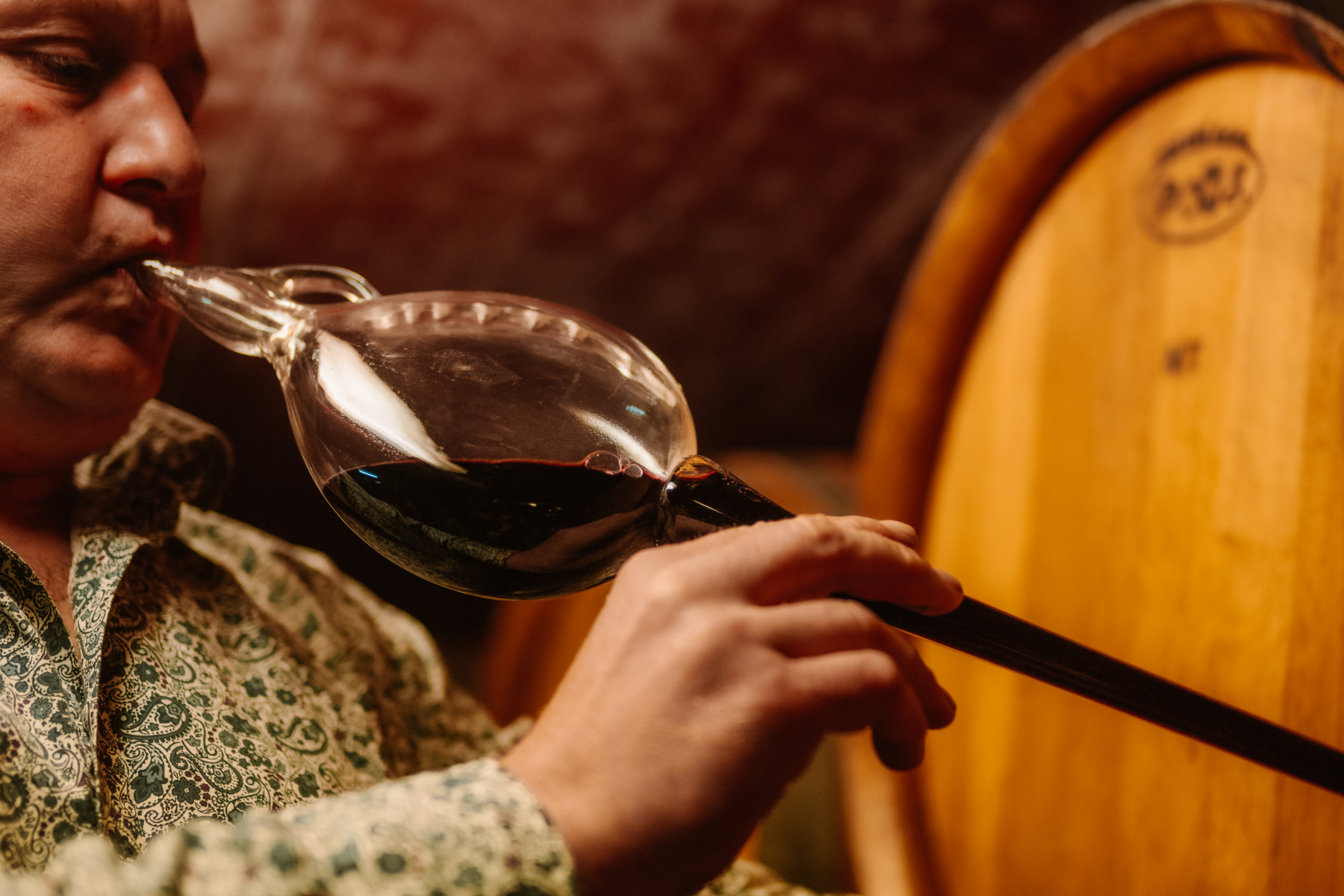
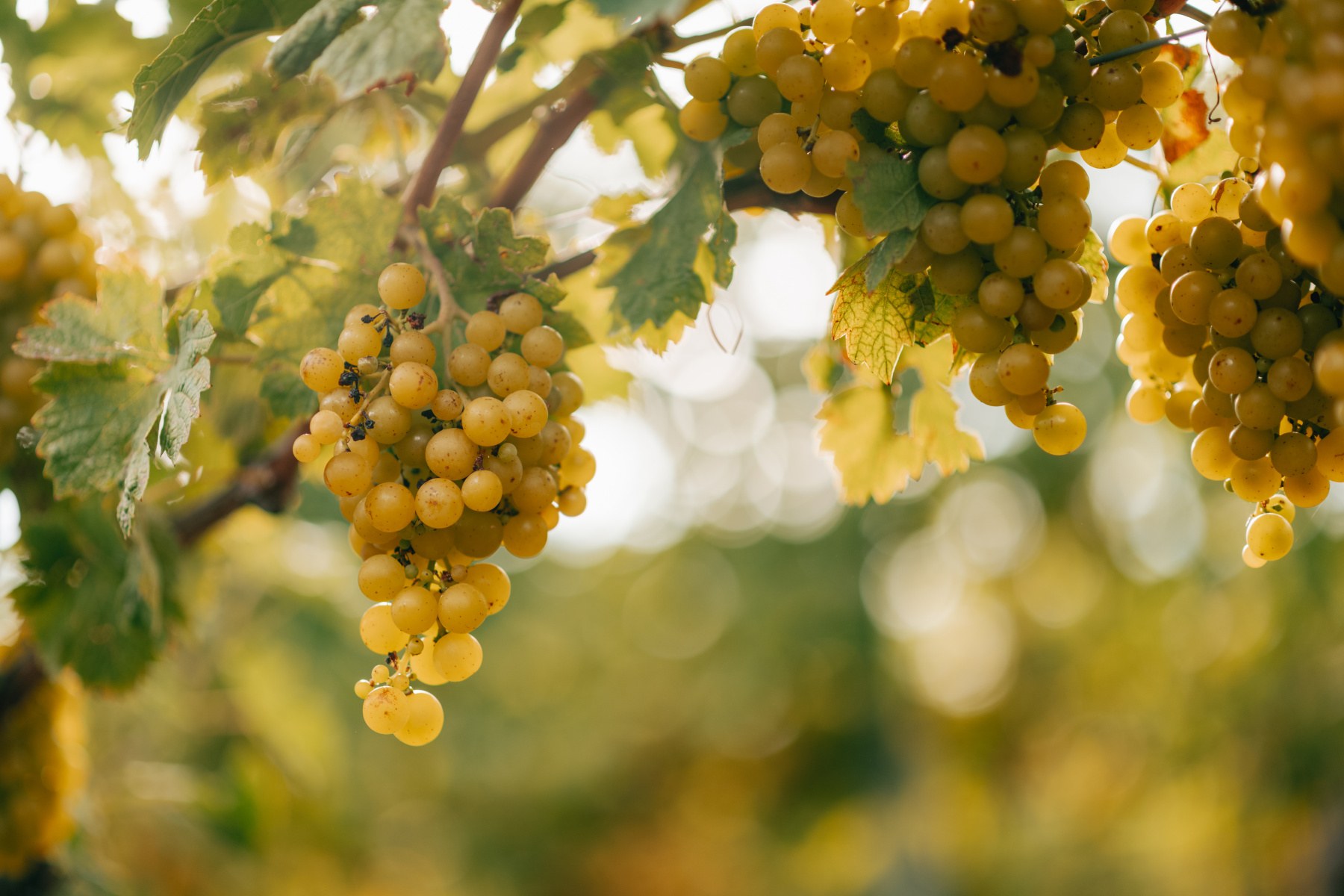
The Trnava Region offers an exciting variety of wines, from fresh, aromatic whites to elegant reds and sparkling wines. White wine lovers can discover Grüner Veltliner (Veltlínske zelené), Riesling (Rizling rýnsky), Welschriesling (Rizling vlašský) and Traminer (Tramín červený), while popular red varieties include Blaufränkisch (Frankovka modrá), St. Laurent (Svätovavrinecké) and Blauer Portugieser (Modrý Portugal). The latter has a particularly strong tradition in the villages of Horné and Dolné Orešany, where it forms the heart of the famous local Orešanské červené wine. Another regional treasure is Skalický rubín, a distinctive dry red wine with Protected Designation of Origin status, made primarily from Blaufränkisch, complemented by St. Laurent and Blauer Portugieser. The region is also known for distinctive Slovak grape varieties such as Devín, Dunaj, Hron, Váh and Nitra, showcasing the creativity of Slovak grape breeding. Whether you prefer traditional wines, bold reds or innovative new styles, the Trnava Region offers a fascinating journey through the diversity of Slovak wine.
Discover the Six Wine Districts
The Little Carpathian Wine Region is divided into 12 wine districts, each with its own traditions, landscapes and winemaking heritage. Six of these districts are located within the Trnava Region, offering a fascinating diversity of wines and experiences. Discover their unique character, traditional grape varieties and highlights worth visiting by expanding the sections below.
Trnava Wine District (Trnavský rajón)
Walk beneath Trnava’s medieval walls and discover how wine helped this historic trading city prosper. Beyond the churches that earned it the nickname “Little Rome”, historic cellars connect the city to a wider landscape of wine-growing villages.


Hlohovec Wine District (Hlohovský rajón)
Follow the vineyard-covered hills above the Váh River, where centuries-old wine huts known as fraštacké hajlochy tell stories of local harvests. The district’s loess and calcareous soils help shape fresh, aromatic wines, while the village of Bojničky is particularly associated with Gewürztraminer. Combine the wine landscape with walking routes, small-scale tastings and the historic town of Hlohovec.
Discover more: wine, heritage & local highlights
The Hlohovec Wine District stretches across the vineyard slopes above the Váh River, where the Nitra Uplands meet the southern edge of the Považský Inovec mountains. Loess and calcareous soils contribute to the fresh, aromatic character of the local wines, often with a delicate mineral quality. Among the traditional varieties grown here are Grüner Veltliner, Welschriesling, Müller-Thurgau and Blaufränkisch. The village of Bojničky has become particularly associated with its distinctive Gewürztraminer. As you explore the slopes, look out for fraštacké hajlochy, traditional vineyard buildings once used for pressing grapes and storing wine. Some survive in the hills around Hlohovec, including the area known as Pod Beregom, preserving a striking part of the region’s heritage. The surrounding villages and vineyards are connected by walking routes and cycling trails that invite a slower discovery of the countryside. Events such as Fraštacké putovanie za vínom bring local wine culture together with the historic town and the landscape above the river.
Highlights & useful facts
- Wine highlights: Gewürztraminer from Bojničky, Welschriesling and Grüner Veltliner
- Places to explore: the vineyard slopes above Hlohovec and traditional hajlochy
- Experience: Fraštacké putovanie za vínom
- Suggested visiting season: May–October




Skalica Wine District (Skalický rajón)
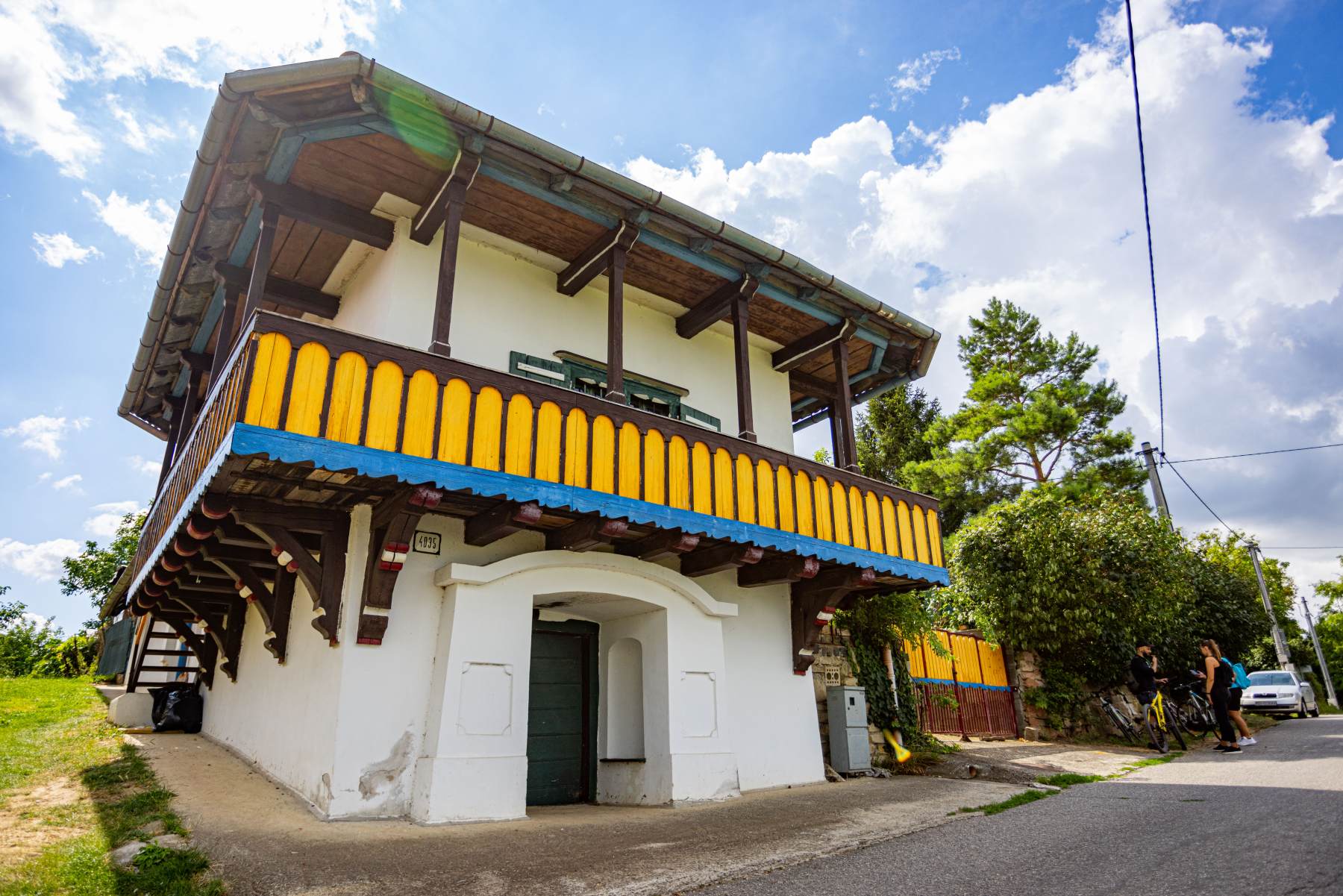
Discover a former royal town whose vineyards are famous for Skalický rubín, a traditional red wine with Protected Designation of Origin status. More than 500 vineyard huts, locally called búdy, dot the hills around Skalica, making this one of the most distinctive wine landscapes in Slovakia. Wander through the historic centre, explore the vineyards of Vintoperk and round off the visit with a taste of Skalický trdelník.
Discover more: wine, heritage & local highlights
The vineyards above the former royal town of Skalica have been part of local life for generations, especially around the distinctive vineyard hill of Vintoperk. Their best-known wine is Skalický rubín, a traditional dry red with Protected Designation of Origin status. Its character is based primarily on Blaufränkisch, supported by St. Laurent and Blauer Portugieser. More than 500 small vineyard buildings, known locally as búdy, still stand on the slopes above the town. Originally used for processing grapes and storing wine, these huts also became gathering places for friends, families and cultural figures. Together they create one of Slovakia’s most memorable wine-growing landscapes, where architecture and viticulture share a story. Visitors can experience this heritage through vineyard walks and local celebrations, including the Open Vineyard Huts Day. A visit is easily combined with a stroll through Skalica’s historic streets and a taste of Skalický trdelník, the town’s famous sweet pastry.
Highlights & useful facts
- Signature wine: Skalický rubín (PDO)
- Heritage highlight: more than 500 vineyard huts, locally called búdy
- Places to explore: Vintoperk and the historic centre of Skalica
- Suggested visiting season: May–October



Orešany Wine District (Orešanský rajón)
Between Horné Orešany and Dolné Orešany, winemaking runs deep: Orešanské červené was traded beyond the region as early as the nineteenth century. Today, the foothills of the Little Carpathians offer old cellars, vineyard-covered slopes and a landscape closely linked to local red wines. Follow the trails towards Slepý vrch and discover the fresh character of wines grown where the hills meet the Trnava countryside.
Discover more: wine, heritage & local highlights
The vineyards around Horné Orešany and Dolné Orešany have long been associated with red wine, and the name Orešanské červené became known beyond the region in the nineteenth century. Traditionally, this wine was made mainly from Blauer Portugieser, a grape closely linked with the identity of the district. Other varieties grown here include Blaufränkisch, St. Laurent, Grüner Veltliner and Welschriesling. The vineyards occupy the foothills of the Little Carpathians, where loess and loamy soils are influenced by cooler air from the hills. These conditions help the grapes retain freshness, expressive aromas and a balanced structure. Historic cellars and vineyard villages still reflect a winemaking heritage that stretches back to the Middle Ages. Visitors can combine wine experiences with walks towards Slepý vrch and journeys through the countryside around the Suchá reservoir. The landscape also has a place in Slovak literature through the novel Červené víno, while local tasting events continue its living wine traditions.
Highlights & useful facts
- Historic local wine: Orešanské červené, traditionally associated with Blauer Portugieser
- Villages: Horné Orešany, Dolné Orešany, Suchá nad Parnou and Ružindol
- Experiences: Slepý vrch, Majdán nature trail and local wine tastings
- Suggested visiting season: May–October


Vrbové Wine District (Vrbovský rajón)
On the northern edge of the Little Carpathians, vineyards thrive on limestone slopes around Čachtice and the Kozie hory hills. Winemaking here is documented as far back as 1113, while the cooler climate helps create wines with freshness and distinctive aromatics. Discover a landscape that connects Čachtice Castle, historic Vrbové and the spa town of Piešťany.
Discover more: wine, heritage & local highlights
The Vrbové Wine District occupies the northern edge of the Little Carpathians, where the history of viticulture is documented in written records dating back to 1113. Vineyards grow on limestone slopes around Čachtice and the Kozie hory hills, as well as on loess and loamy foothills. With a somewhat cooler climate and a longer ripening season, grapes develop natural acidity, freshness and expressive aromatics. White varieties include Riesling, Grüner Veltliner, Chardonnay, Pinot Gris and Gewürztraminer. Blaufränkisch also grows here, while Pinot Noir finds particularly interesting conditions on the limestone slopes of Kozie hory. The wine landscape connects the ruins of Čachtice Castle with the historic town of Vrbové and the spa town of Piešťany. Along the way, visitors can discover vineyards, heritage sites and countryside shaped by the northernmost reaches of the wine region. Local wine events and cycling routes offer opportunities to combine a glass of wine with a broader exploration of the area.
Highlights & useful facts
- Heritage: records of vineyards dating back to 1113
- Wine highlights: Riesling, Pinot Noir and limestone vineyards of Kozie hory
- Places to explore: Čachtice Castle, Vrbové and Piešťany
- Suggested visiting season: May–November


Záhorie Wine District (Záhorský rajón)
Discover a quieter landscape where traces of historic vineyards meet pine forests, sandy soils and the Morava River. Places around Borský Mikuláš preserve the memory of local viticulture rather than a busy network of wine-tasting venues. Follow peaceful cycling routes, enjoy the wide-open scenery and experience one of the less explored corners of western Slovakia.
Discover more: wine, heritage & local highlights
The Záhorie Wine District lies between the Morava River, the pine forests of the Borská Lowland and the slopes of the Lakšárske Hills. With sandy soils, broad horizons and quiet villages, it has a very different atmosphere from the better-known wine centres of the Little Carpathians. Historic vineyard sites such as Vinohrádky near Borský Mikuláš preserve evidence of a longstanding local tradition. Old vineyard plots at Dufkov vrch and other places keep the memory of grape-growing alive in the landscape. Today, the district is more closely associated with this cultural heritage and its natural scenery than with an established network of wineries offering tastings. The mostly flat Morava Cycle Route makes it easy to explore the river landscape at a relaxed pace. The Záhorie Cycle Route also leads through pine forests, sandy hills and open countryside. Visitors can combine these peaceful journeys with cultural sights in Šaštín or continue towards neighbouring Skalica for wine experiences.
Highlights & useful facts
- Landscape: sandy soils, pine forests and the Morava River
- Heritage sites: Vinohrádky and historic vineyard plots near Borský Mikuláš
- Experiences: Morava Cycle Route, Záhorie Cycle Route and Šaštín
- Important: the source currently lists no registered wineries in this district

More Than Just Wine
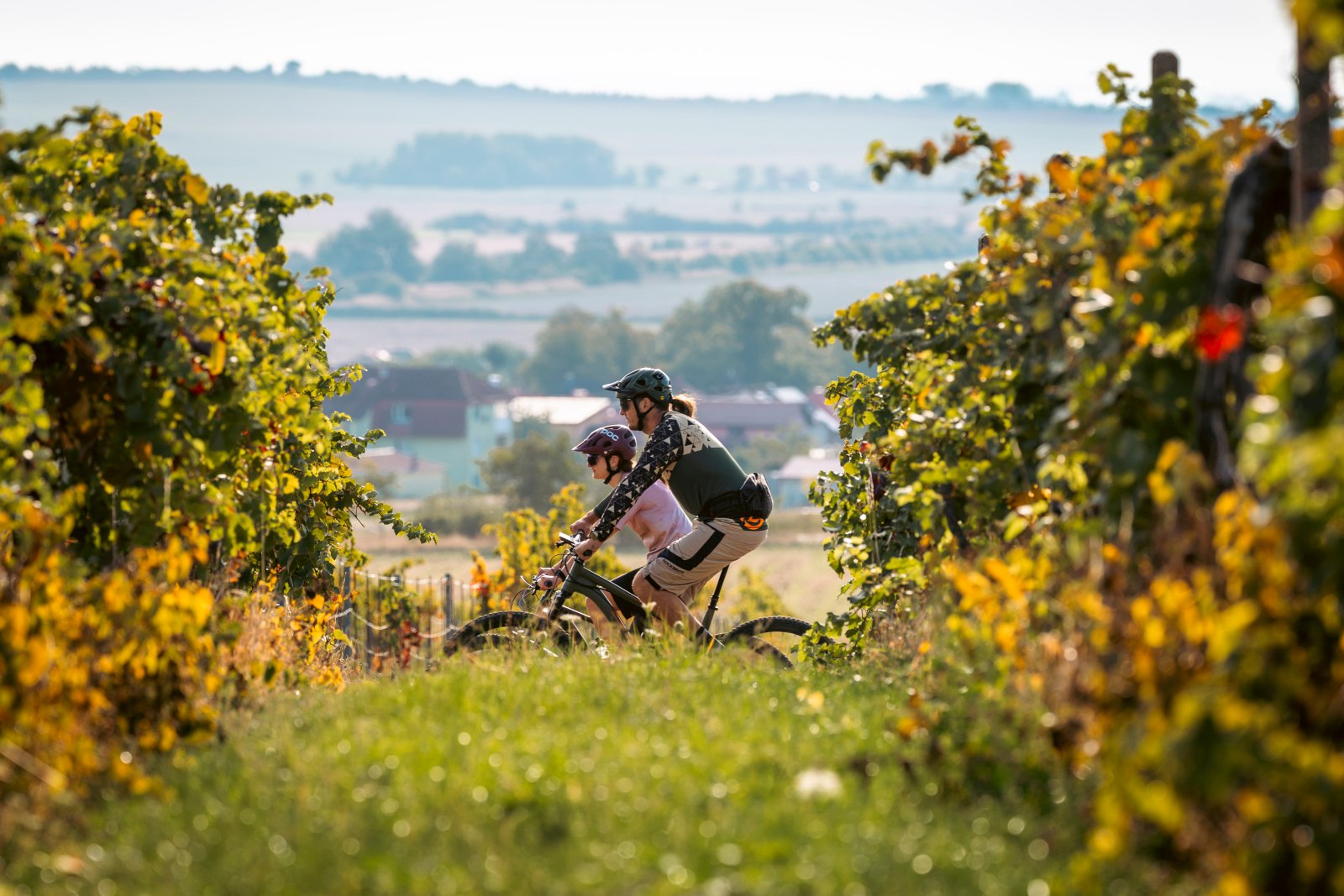
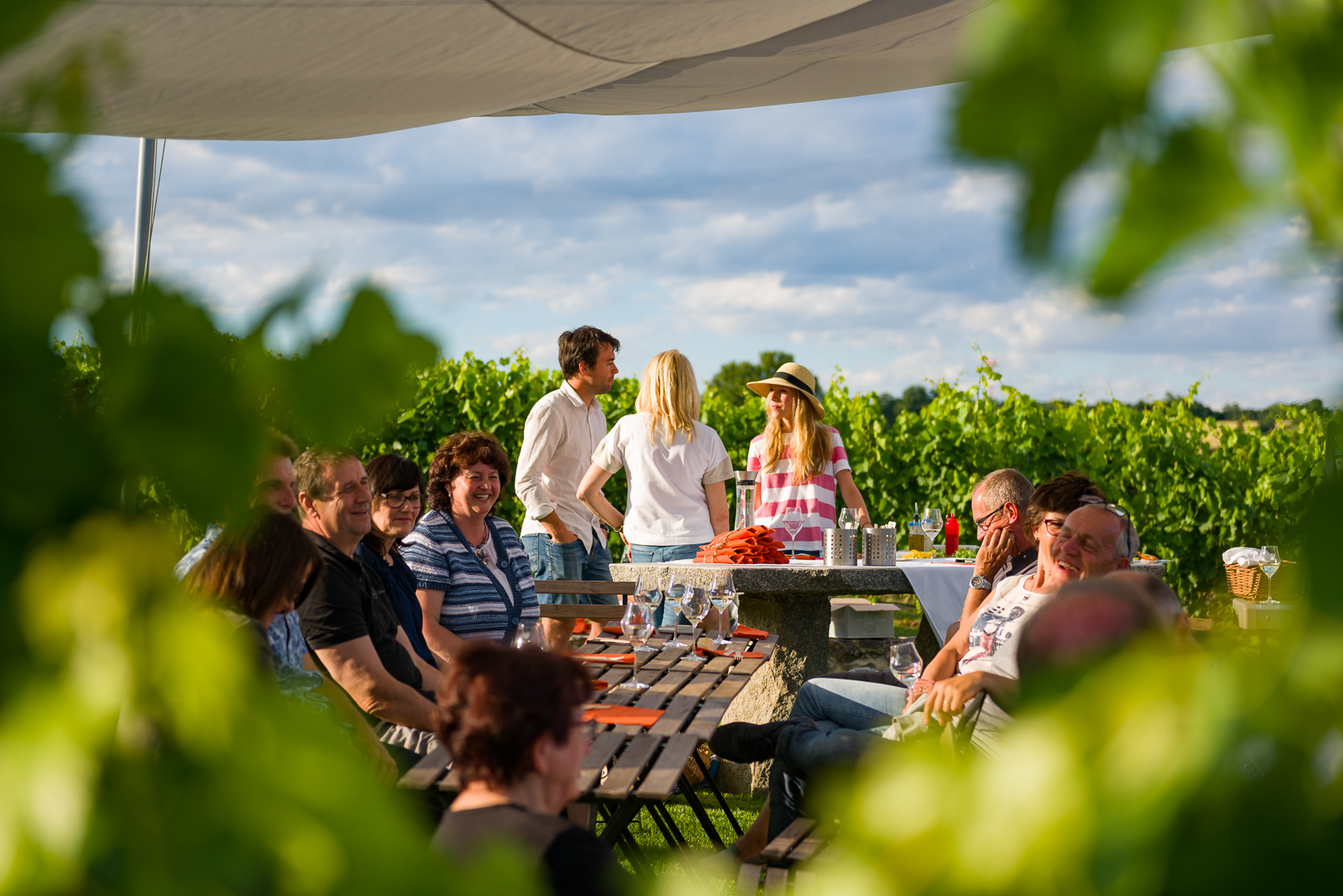
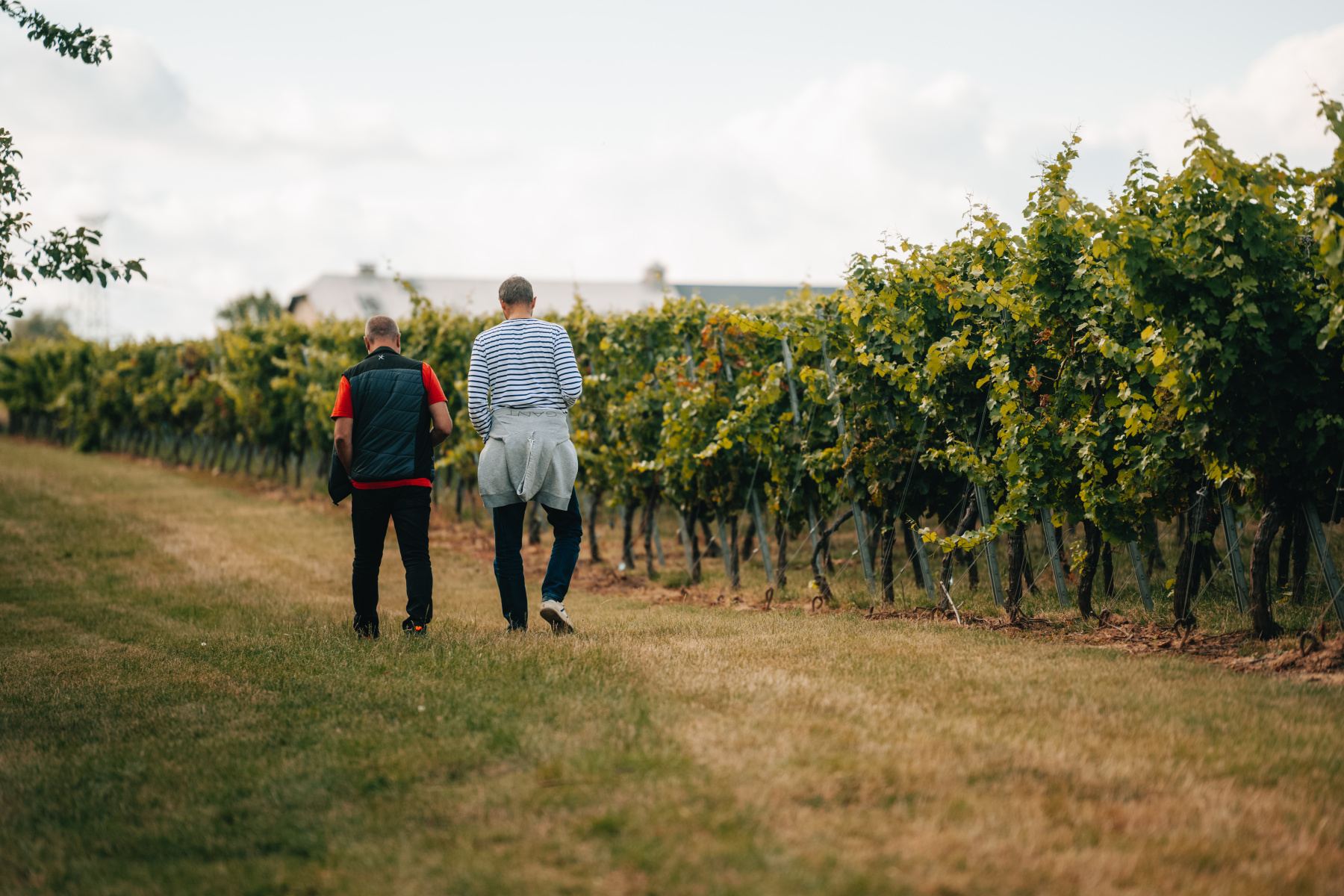
A trip to the Trnava Region is about the whole experience. You can cycle on quiet paths, explore old castles, and taste great local food. The best moments often come from talking to the local winemakers and enjoying a quiet afternoon in the countryside.
Ready to Visit?
The Trnava Region is perfect for a weekend trip or a longer holiday in western Slovakia. Spring and summer are great for outdoor exploring, while autumn is the busy harvest season with many local wine festivals.
You can stay in the city of Trnava or find a quiet guesthouse in one of the wine villages. Travel tip: It is always best to book your wine tastings and cellar tours in advance, especially outside of major wine festivals.
Come for the wine, and stay for the beautiful places, great food, and welcoming people. Experience a different side of Slovakia.
Travel Agency of the Trnava Regional Tourism Board
PhDr. Michaela Kobzová